

HISTORY OF THE WOODSTOCK FILM FESTIVAL
2000
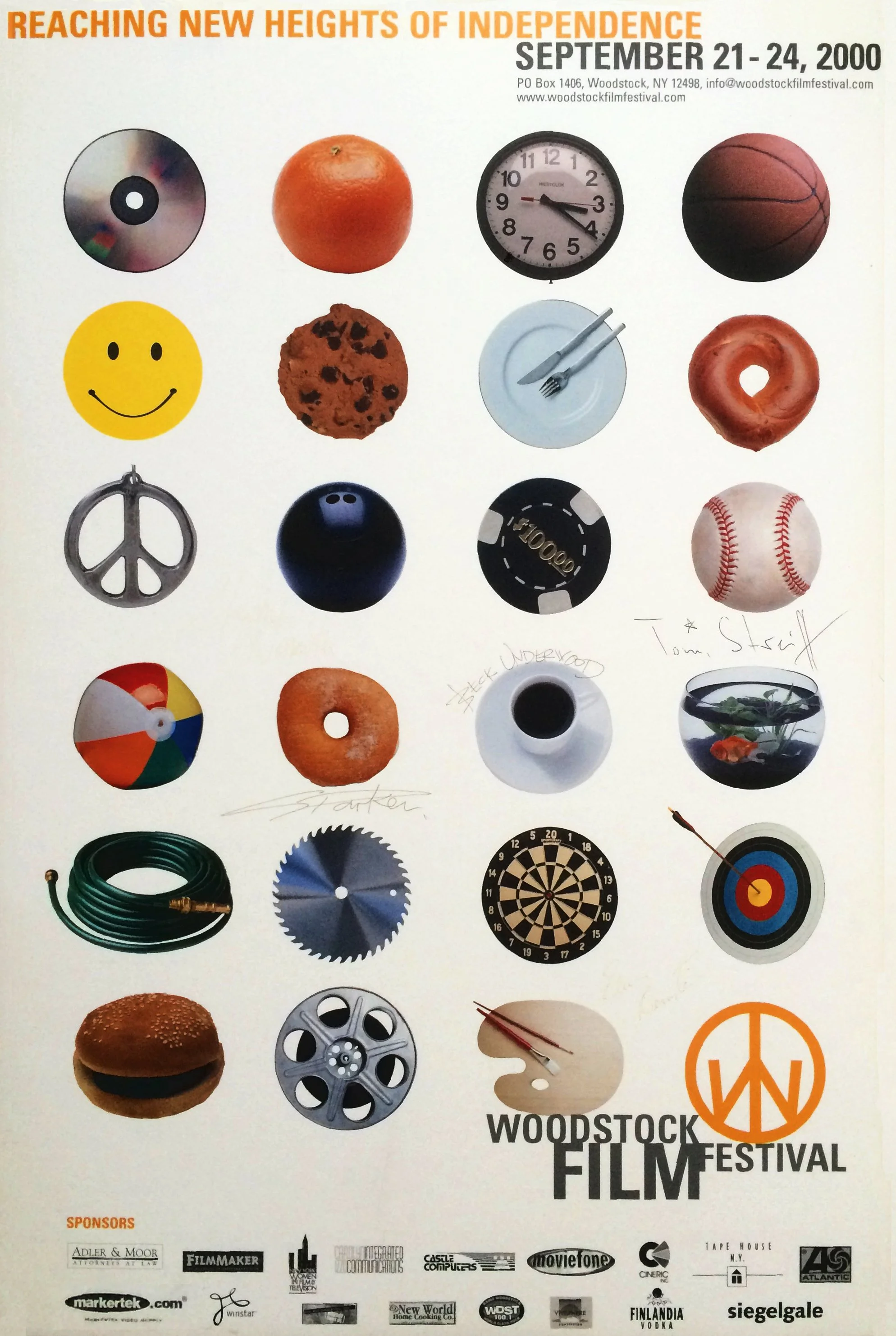
What started out in 2000 as a sheer labor of love from the kitchen table of Co-Founder and Executive Director Meira Blaustein and Co-Founder Laurent Rejto quickly grew into a respected and sought-after international film festival.
With no funding and an all-volunteer crew, this grassroots organization intended to create a festival where people from all over the world could gather at the foothills of the Catskill Mountains and unite in their shared passion for community and independent cinema.

The inaugural Woodstock Film Festival (WFF) took place September 21-24 2000 in the famed artists' colony of Woodstock, New York. It included workshops and live concerts along with screenings of documentaries and short and full-length films from all over the world. Speakers at the inaugural festival's workshops included actor Aidan Quinn, documentary filmmaking legends Albert Maysles, Barbara Kopple, D. A. Pennebaker and Leon Gast, ultra-indie icon Les Blank, renowned cinematographer Haskell Wexler, and screenwriter Ron Nyswaner. It was a magical time then in the history of the festival when everyone felt that something extraordinary was happening.
2001

In 2001 the festival took place only nine days after September 11, serving inadvertently as a special respite for filmmakers from all over the tristate area, many of whom left their homes for the first time since September 11 to come to the warm embrace of the Woodstock Film Festival.

While that year saw those who planned to attend from LA cancel their travel to the East Coast, it also saw the likes of Liev Schreiber, Stanley Tucci, Ethan Hawke, Keith Carradine, Fisher Stevens, and many more escape to the Woodstock Film Festival where they found much-needed solace and camaraderie at a time of national trauma.
2002
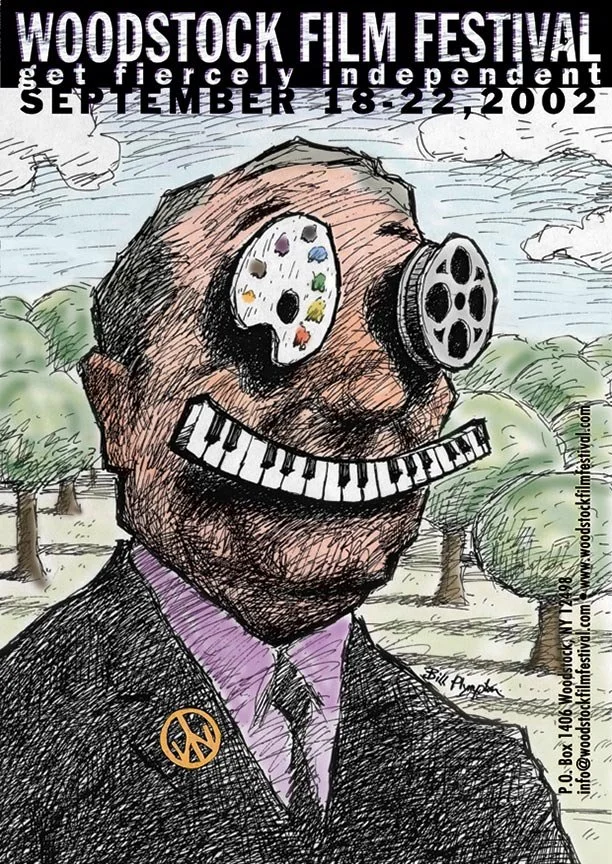
In 2002 Variety gave the festival a special three-page spread, touting, among other things, the festival’s parties as “excellent.” That year saw actors Tim Robbins, Parker Posey, and Marcia Gay Harden, musicians Tim Gordon and Trey Anastasio (Phish), composer Elmer Bernstein, cinematographer Haskell Wexler, director Todd Haynes, producer Christine Vachon, and many others, all legends in their fields, attend the festival and participate in its programming. That year was a significant one in the life of the then-fledgling festival, as it clearly cemented its place in the independent film festival circuit.

Throughout the ensuing years the WFF continued to grow, adding more venues from towns across the Hudson Valley, and more programming, both during the festival itself and throughout the year.
2008
In 2008, the Hudson Valley Film Commission (originally called the Woodstock Film Commission), a sidebar program created by festival’s co-founder Laurent Rejto designed to attract and facilitate film production in the Hudson Valley, began to receive its own dedicated funding after years of operating under the budget of the film festival, and began to grow.

2011
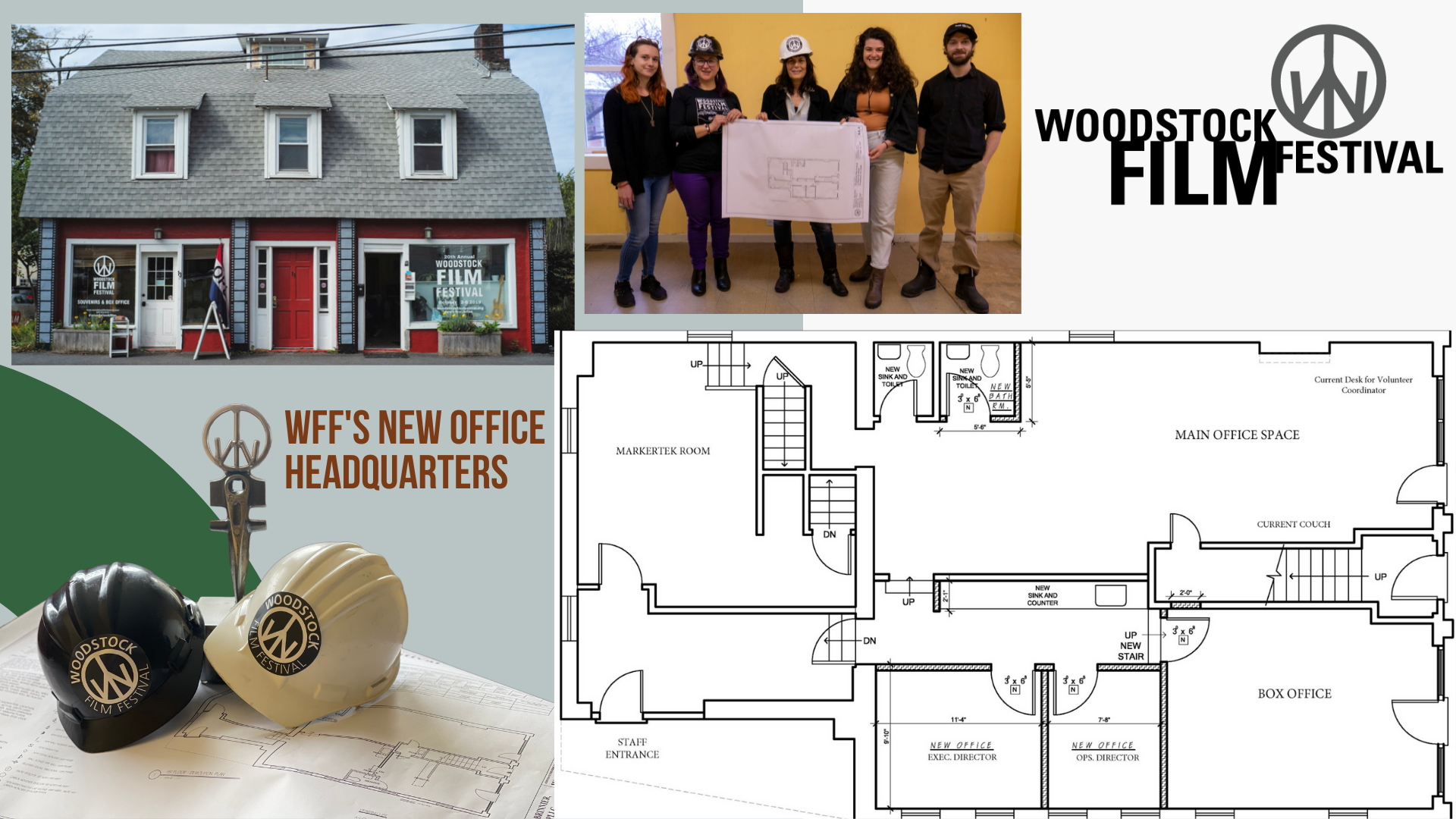
In January 2011, the Woodstock Film Festival, which was based until then in a small rental office on the main street of Woodstock, purchased the former Heckeroth Plumbing property at 13 Rock City Road in the heart of Woodstock, where the iconic film legend Lee Marvin once worked as an apprentice plumber. Over the years, WFF has made countless improvements to transform the property, with the latest one taking place in the spring of 2022.
2018
In 2018, with support from the Novo Foundation, WFF began an annual educational initiative, the Youth Film Lab, serving countless local teenagers throughout the academic year and during a summer intensive workshop program. Students are taught all aspects of filmmaking including concept, producing, editing, and exhibition. The Youth Film Lab operates under the supervision of WFF Executive Director Meira Blaustein, and under the direction of filmmaker and professor Megan Sperry.

2020

In 2020, after years of operating first under the auspices of the film festival, and then as a sister organization, the Hudson Valley Film Commission, under the leadership of the film festival’s co-founder Laurent Rejto, became its own independent 501c3 entity and is now operating successfully throughout the Hudson Valley.
Also in 2020 COVID-19 hit the world, affecting all film festivals, including WFF. Despite the global pandemic, WFF set up drive-in movie theaters throughout the Hudson Valley as well as streamed films online. Separately, it also created and presented countless virtual workshops, filmmakers conversations, and other specialty programming, offering innovative education, entertainment and community connection at a time when it was needed most

2021
Launched in the spring of 2021 in collaboration with White Feather Farm, the first WFF’s Filmmakers Residency/Incubator began a month-long program serving visual storytellers from underrepresented communities who are in the midst of developing film projects with social justice themes. Participating filmmakers stay at a residential property in Woodstock, where they spend a month developing their individual projects, as well as participating in group workshops and one-on-one sessions led by accomplished mentors from all over the entertainment industry. The residency operates under the supervision of Meira Blaustein, and under the artistic direction of filmmaker and professor Alex Smith, with additional artistic support by editor Sabine Hoffman.

2022
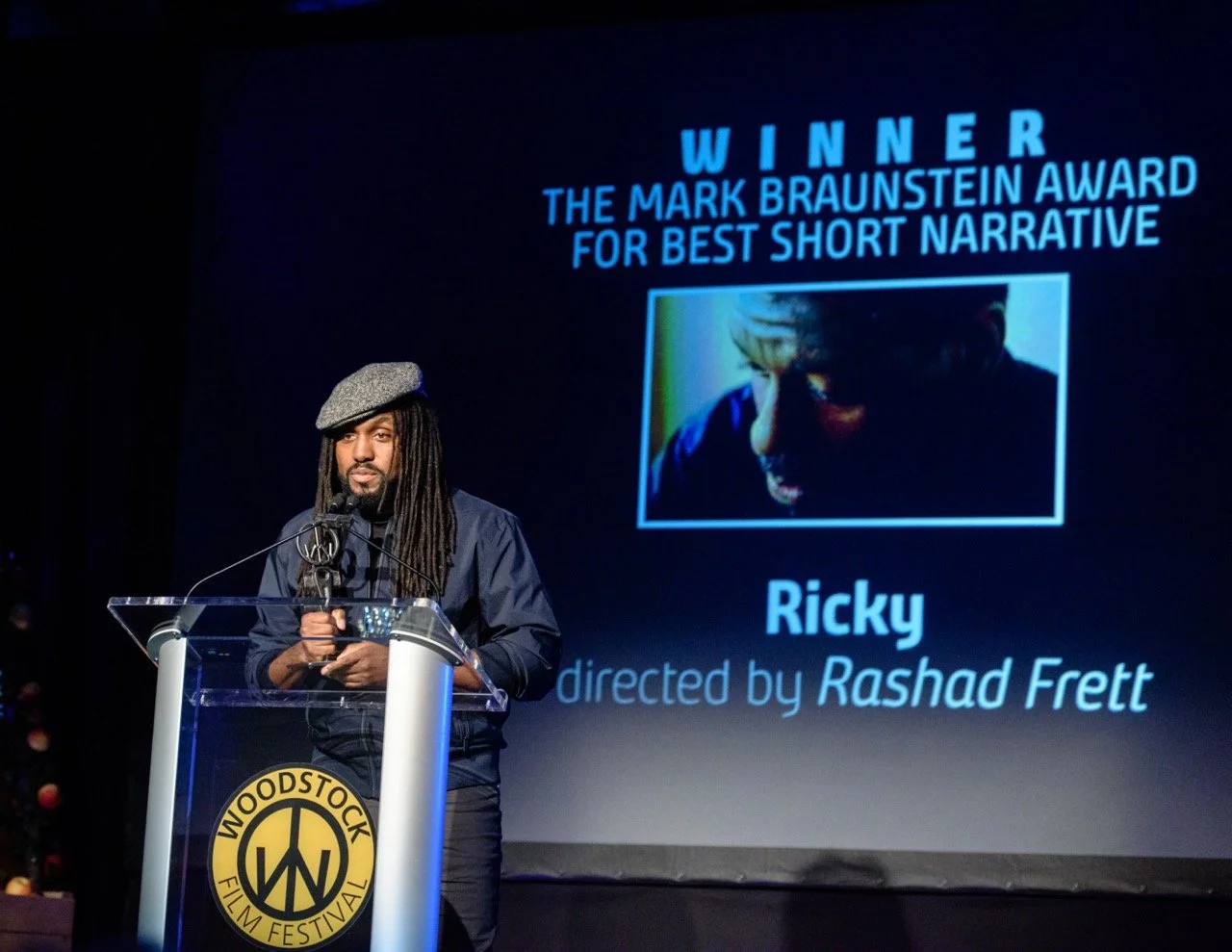
In the spring of 2022, the WFF was approved as an Oscar® Award qualifying festival in the Short Narrative, Animated Short, and Short Documentary categories. WFF continues to expand on its year-round programming, adding a select exhibition platform for films vying to be nominated and/or win an Academy Award as a special part of its year-round programming.
2024
In 2024 the festival celebrated its silver jubilee, a significant milestone for an organization that began 25 years ago without any funds, fame, or special skills, but rather only through the love of film and community, hard work and dedication, and a good measure of “chutzpah.”
Today, more than two decades since its inception, the Woodstock Film Festival continues its mission by showcasing exceptional films from all over the world, hosting the most talented emerging and established professionals in the movie industry; presenting A-list concerts, panels, workshops and parties, and creating stimulating, innovative programming year-round, while serving as an incubator for upcoming talent and local filmmaking.
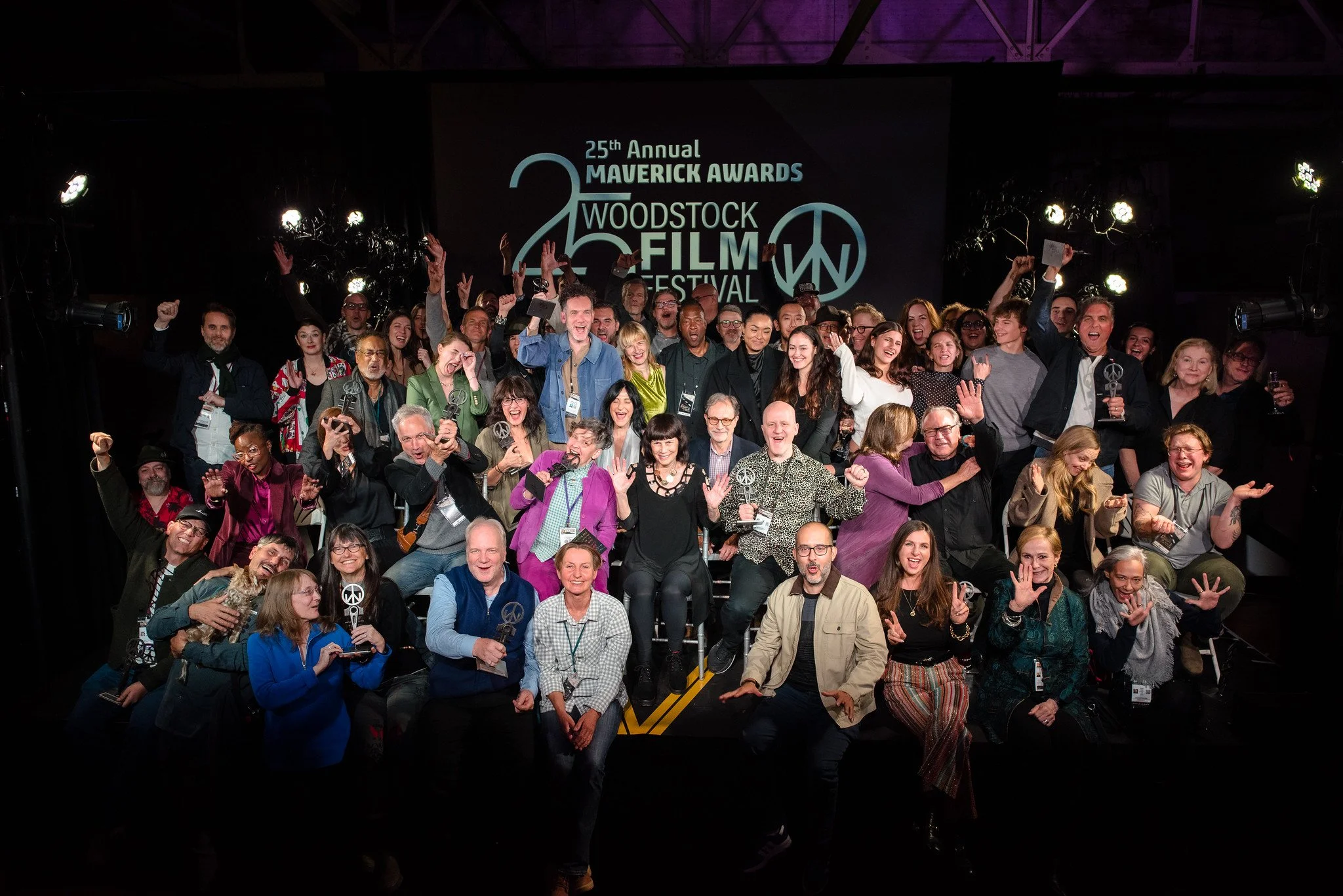

Ethan Hawke, 2022 Maverick Award recipient
“The community building, idea sharing, and celebration of film as a medium that the Woodstock Film Festival fosters is invaluable to the lifeblood of the film community. I’ve been to many festivals all around the world, but this is one of my favorites.”
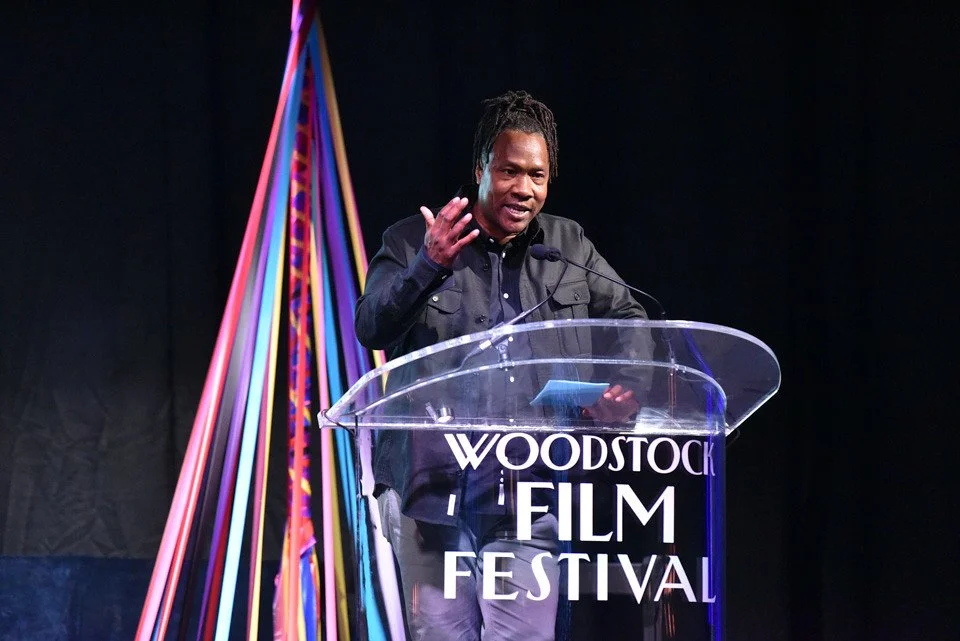
Roger Ross Williams, Academy Award-winning filmmaker